Is the Lombok to Komodo Cruise Safe?
Honest Safety Guide 2026
Safety Should Never Be a Question
Considering a Lombok to Komodo cruise but worried about safety? This is a legitimate concern, and asking the right questions before booking shows you’re a responsible traveler. The good news: legitimate cruise operators prioritize safety with modern vessels, trained crews, insurance coverage, and emergency protocols.
However, “safe” isn’t one-size-fits-all. Safety depends on your chosen operator, vessel maintenance standards, sea conditions during your travel dates, and your personal health considerations. This comprehensive guide addresses every safety concern travelers ask about, providing honest information to help you make an informed decision.
After years of tens of thousands of successful cruises between Lombok and Komodo, the cruise tourism to this region has established safety protocols that rival international standards. You can cruise with confidence when you choose reputable operators.
Vessel Safety Standards: How Ships are Maintained
Legitimate cruise vessels operating Lombok-Komodo routes meet Indonesian maritime safety standards and many exceed them. Modern cruise ships undergo regular inspections by maritime authorities, including hull inspections, engine maintenance, and safety equipment certification.
What to Look For in Vessel Safety:
- Recent Construction or Refurbishment: Vessels built or completely refurbished within the last 10-15 years incorporate modern safety technology
- Regular Maintenance Logs: Ask operators for proof of recent hull inspections and engine maintenance
- Dual Engine Systems: Modern cruise boats operate with redundant engines ensuring you can reach port even with one engine failure
- Advanced Navigation Equipment: GPS, radar, and communication systems allow real-time weather monitoring and route adjustment
- Certification Documentation: Indonesian maritime certificates should be visible and current
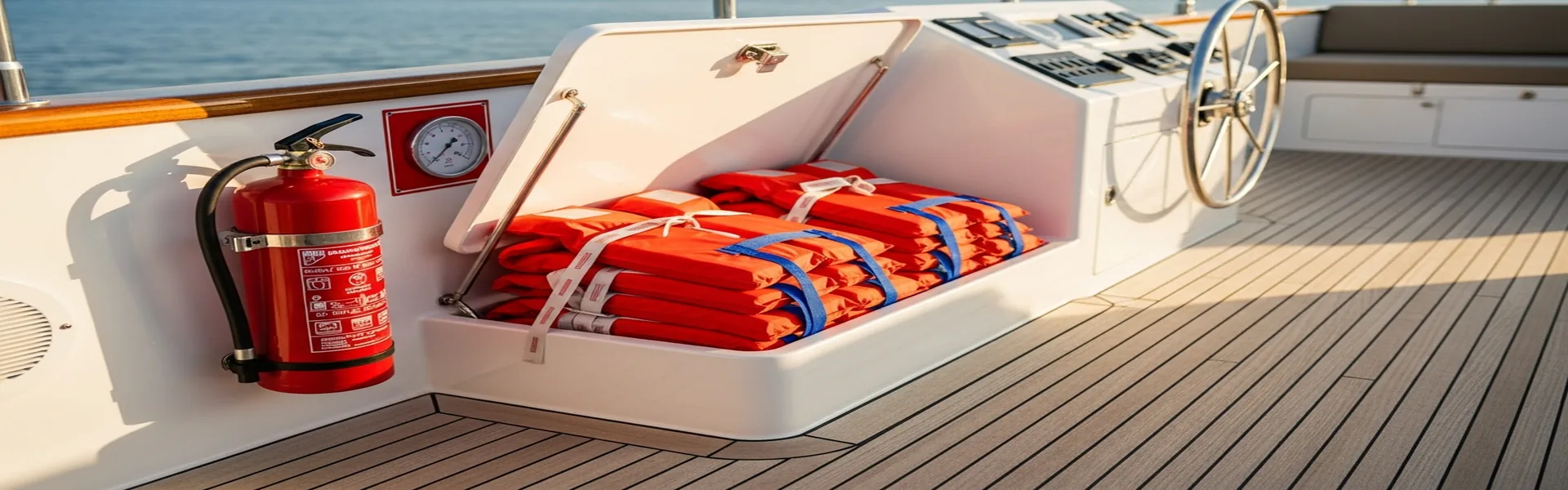
- Life Jackets & Equipment: Life jackets for every passenger, lifeboats, life rafts, and first aid kits on every vessel
Reputable operators willingly show these certifications and maintenance records. If an operator is evasive about vessel details, consider it a red flag and look elsewhere. Companies with nothing to hide are transparent about their equipment standards.
Crew Qualifications & Training
Your safety ultimately depends on the captain and crew’s competence. Professional cruise operators employ experienced maritime professionals with proper certifications. Captains navigate these waters frequently and understand seasonal weather patterns, currents, and safe anchoring locations.
Crew Qualifications in Legitimate Operations:
- Certified Captains: Masters with maritime licenses recognized by Indonesian maritime authority
- Safety Training: Annual safety drills, first aid certification, and emergency response procedures
- Navigation Expertise: Captains have years of experience on these specific routes, understanding seasonal risks
- Multilingual Staff: English-speaking crew can communicate clearly with international passengers during emergencies
- Guest Safety Briefings: Legitimate operators conduct mandatory safety briefings before departure
- 24/7 Communication: Radio contact with coast guard and other vessels at all times
Ask your operator about crew experience. How many years have they navigated Lombok to Komodo? What training have they completed? Operators should answer enthusiastically. Their crew is their greatest asset.
Sea Conditions by Season: Understanding Weather Safety
The Lombok Strait and surrounding waters experience different conditions throughout the year. Understanding seasonal patterns helps you choose the safest time to cruise and know what to expect.
Dry Season (April-October): Best & Safest
- Calm seas, light winds, excellent visibility
- Lowest swell, minimal turbulence
- Most comfortable conditions for sensitive stomachs
- Ideal for snorkeling and water activities
- Peak season with most departures and experienced crew
Transition Seasons (March-April, September-October): Good Conditions
- Generally calm seas with occasional swells
- Some wind but manageable
- Fewer tourists, better value
- Experienced crews still operating regular schedules
- Recommended for all travelers
Wet Season (November-February): Challenging Conditions
- Strong winds and higher swells possible
- Increased turbulence, especially Nov-Jan
- More challenging for seasickness-prone travelers
- Fewer departures as some operators reduce schedules
- Best avoided unless you’re a confident sailor
Modern vessels can handle wet season conditions, but passenger comfort decreases significantly. Captains monitor weather constantly and adjust routes to avoid the worst conditions. However, for maximum safety and comfort, the April-October dry season offers the most predictable experience.
Medical Facilities & Emergency Response
While Komodo cruises are remote experiences, modern operators ensure medical support is accessible. Every vessel carries first aid kits with basic medications, oxygen, and emergency supplies. Crew members receive first aid training for managing common medical situations.
Medical Support Available:
- First Aid Kits: Comprehensive supplies for cuts, sprains, seasickness, and basic ailments
- Trained Staff: Crew with first aid and CPR certification
- Coast Guard Communication: Direct radio contact enables emergency medical advice and evacuation if needed
- Evacuation Capability: Speedboats or helicopters can reach remote locations within hours
- Nearby Medical Facilities: Labuan Bajo has hospitals with modern emergency departments
For serious medical emergencies, Indonesian coast guard can arrange rapid evacuation. However, prevention is better than treatment. Maintain adequate insurance with medical evacuation coverage and inform your crew about any pre-existing health conditions.
Travel Insurance: Essential Protection
Comprehensive travel insurance is absolutely essential for any cruise, anywhere in the world. Insurance isn’t just about catastrophic scenarios—it covers trip cancellation, lost luggage, medical expenses, and evacuation.
Insurance Must Include:
- Medical Coverage: At least USD $100,000 to cover unexpected health issues
- Evacuation Insurance: Medical evacuation can cost $10,000-$50,000; your insurance should cover this
- Trip Cancellation: Protects your investment if you must cancel due to illness or family emergency
- Lost/Delayed Baggage: Covers essentials if luggage doesn’t arrive with you
- Adventure Activities Coverage: Water sports and recreational diving may need specific coverage
Check that your insurance explicitly covers maritime travel. Some policies exclude it. World Nomads, AIG, and other major insurers offer comprehensive travel coverage for approximately USD $50-$150 for a 4-day trip. This is among the best investments you can make for peace of mind.
Emergency Procedures: What Happens if Something Goes Wrong?
While emergencies at sea are rare on established cruise routes, understanding procedures provides confidence and preparedness. Modern operators conduct regular safety drills and have documented emergency protocols.
Standard Emergency Response:
- Safety Briefing: Before departure, all passengers receive briefing on life jacket use, assembly stations, and emergency signals
- Communication: Crew maintains constant radio contact with coast guard and nearby vessels
- Medical Emergency: Coast guard provides medical guidance; evacuation arranged if necessary
- Engine Failure: Dual engines allow safe passage to nearest port; sea anchors deployed if needed
- Bad Weather: Captain adjusts course and speed; if severe, vessel seeks shelter in protected anchorage
- Evacuation: Lifeboats and life rafts accommodate every passenger; rescue coordination through coast guard
Modern GPS and communication technology means help is never far away. You’re never truly remote in 2026. Even in emergencies, rescue response times are measured in hours, not days.
Seasickness Prevention: Practical Strategies
Seasickness is the most common concern (though not truly dangerous). Many travelers experience mild queasiness; proper prevention reduces symptoms significantly. The good news: dry season conditions minimize motion, and several effective strategies exist.
Seasickness Prevention Methods:
- Medication: Dramamine or Bonine taken before departure reduces symptoms significantly
- Sea Bands: Acupressure wristbands offer non-medication relief
- Ginger Products: Ginger supplements and candies reduce nausea naturally
- Focus on Horizon: Looking at the horizon stabilizes your inner ear
- Stay Hydrated: Dehydration worsens symptoms; drink water constantly
- Light Meals: Eat small amounts frequently rather than heavy meals
- Fresh Air & Deck Time: Fresh air and standing on deck reduces symptoms
- Cabin Midship: Request cabins in the middle of the boat where motion is minimized
Most seasickness passes within 24 hours as your body acclimates. Inform your crew if you’re struggling; they have experience helping passengers through this and can provide additional remedies. Seasickness is uncomfortable but not dangerous and shouldn’t prevent you from cruising.
Personal Safety: Beyond the Vessel
Once you reach Komodo National Park, standard travel safety applies. The wildlife is magnificent but demands respect. Following guide instructions is non-negotiable for your safety.
On-Land Safety Considerations:
- Komodo Dragons: Always stay with your guide and maintain safe distance (5+ meters)
- Sun Protection: Strong equatorial sun causes severe burns; use SPF 50+ and reapply frequently
- Hydration: Heat and physical activity dehydrate rapidly; drink constantly
- Footwear: Wear sturdy hiking boots for rocky terrain protection
- Snorkeling Safety: Stay with groups, don’t wander off alone, inform crew of your location
- Reef Etiquette: Don’t touch coral, don’t step on the reef, don’t chase marine life
Komodo National Park has established safety protocols after decades of tourism. Thousands of visitors explore safely every year by following guide instructions and respecting wildlife boundaries. Your biggest risk is sunburn, not wildlife encounters.
Frequently Asked Questions About Cruise Safety
What happens if the boat breaks down in the middle of the ocean?
Modern cruise boats operate with dual engines, so complete failure is extremely unlikely. If one engine fails, the other gets you safely to port. If the unimaginable occurs, you’re never truly isolated—boats within radio range respond to distress calls, coast guard monitors all maritime traffic, and modern GPS pinpoints your location precisely. Help arrives within hours, not days.
Are smaller boats safer than larger cruise ships?
Size doesn’t determine safety. A well-maintained 15-meter boat with experienced captain is safer than a neglected 50-meter vessel. What matters is maintenance standards, crew expertise, and safety equipment. Ask about maintenance records and crew qualifications rather than obsessing over boat size. Legitimate operators prioritize safety regardless of vessel size.
Is it safe to eat and drink on the boat?
Yes, when using reputable operators. Established cruise companies maintain food safety standards with fresh provisions, proper storage, and trained food handlers. Water is either provided in sealed bottles or comes from treated systems. Avoid street food in port, but food onboard is safe. If you have severe dietary restrictions, inform your operator in advance.
What if I have a medical condition or take medications?
Inform your operator and cruise company about any medical conditions or medications. Bring all medications in original containers. Consider consulting your doctor about whether cruising is appropriate for your specific condition. Travel insurance with medical coverage is absolutely essential. If you’re concerned, discuss it directly with your operator—they’ve managed passengers with various conditions successfully.
Is it safe to travel during monsoon season?
It’s possible but not recommended. November-February brings stronger winds and higher swells. Many operators reduce schedules during this period. If you must travel during monsoon season, choose established operators with decades of experience and expect reduced comfort. Dry season (April-October) offers superior safety, comfort, and is the ideal timeframe for your cruise.
How to Choose a Safe Operator
Not all Lombok-Komodo cruise operators maintain identical safety standards. Choosing the right company is your most important safety decision. Look for these indicators of a legitimate, safety-conscious operator.
Red Flags to Avoid:
- Evasive responses about vessel maintenance or crew qualifications
- No online reviews or extremely suspicious reviews (all 5-star or all 1-star)
- Pressure to book immediately without time for research
- Extremely low prices that seem impossible
- Unwillingness to provide insurance requirements
- Poor communication or unresponsiveness to safety questions
Green Lights of Reputable Operators:
- Willingly shares vessel maintenance records and certifications
- Transparent about crew qualifications and experience
- Requires comprehensive travel insurance
- Conducts mandatory safety briefings
- Positive reviews from multiple recent travelers
- Clear communication about sea conditions and seasonal factors
- Professional website with detailed information
Take your time researching operators. Read reviews on multiple platforms, ask specific safety questions, and trust your instincts. A reputable company will welcome your safety inquiries enthusiastically.
The Bottom Line: Is It Safe?
Yes, the Lombok to Komodo cruise is safe when you choose reputable operators, travel during optimal seasons, purchase comprehensive insurance, and follow safety instructions. Thousands of travelers cruise these waters safely every year. The industry has decades of experience, refined procedures, and modern technology.
Your safety depends on your diligence in operator selection, honest communication about health concerns, and reasonable expectations about maritime travel. Cruising at sea carries inherent risks like any travel, but professional operators minimize these through proven safety practices.
Don’t let safety concerns prevent you from experiencing one of Indonesia’s greatest adventures. Instead, use this knowledge to make informed decisions that allow you to cruise with confidence. The Komodo dragons, pristine coral reefs, and unforgettable memories are waiting for you.
Ready to Cruise Safely to Komodo?
Our team operates according to the highest safety standards, with certified crew, modern vessels, and insurance requirements. Ask us anything about safety.
Get Safety Details on WhatsApp
Email: sales@balipremiumtrip.com | Phone: +628113809193