A natural cleaning station off Komodo’s eastern edge where reef manta rays with four- to six-metre wingspans glide overhead — one of the most reliable manta sites on earth.
Manta Point, on the Karang Makassar channel, is considered the second most reliable place to encounter manta rays after the Maldives. Peak-season sessions commonly see five to eight mantas.
Reef mantas here average four to six metres across, with the largest recorded near 7.5 metres and weights of one to two tons. They have the largest brain-to-body ratio of any fish and appear to recognise individual divers and faces.
They visit the reef edge to be groomed of parasites by smaller fish — this is cleaning behaviour, not feeding.
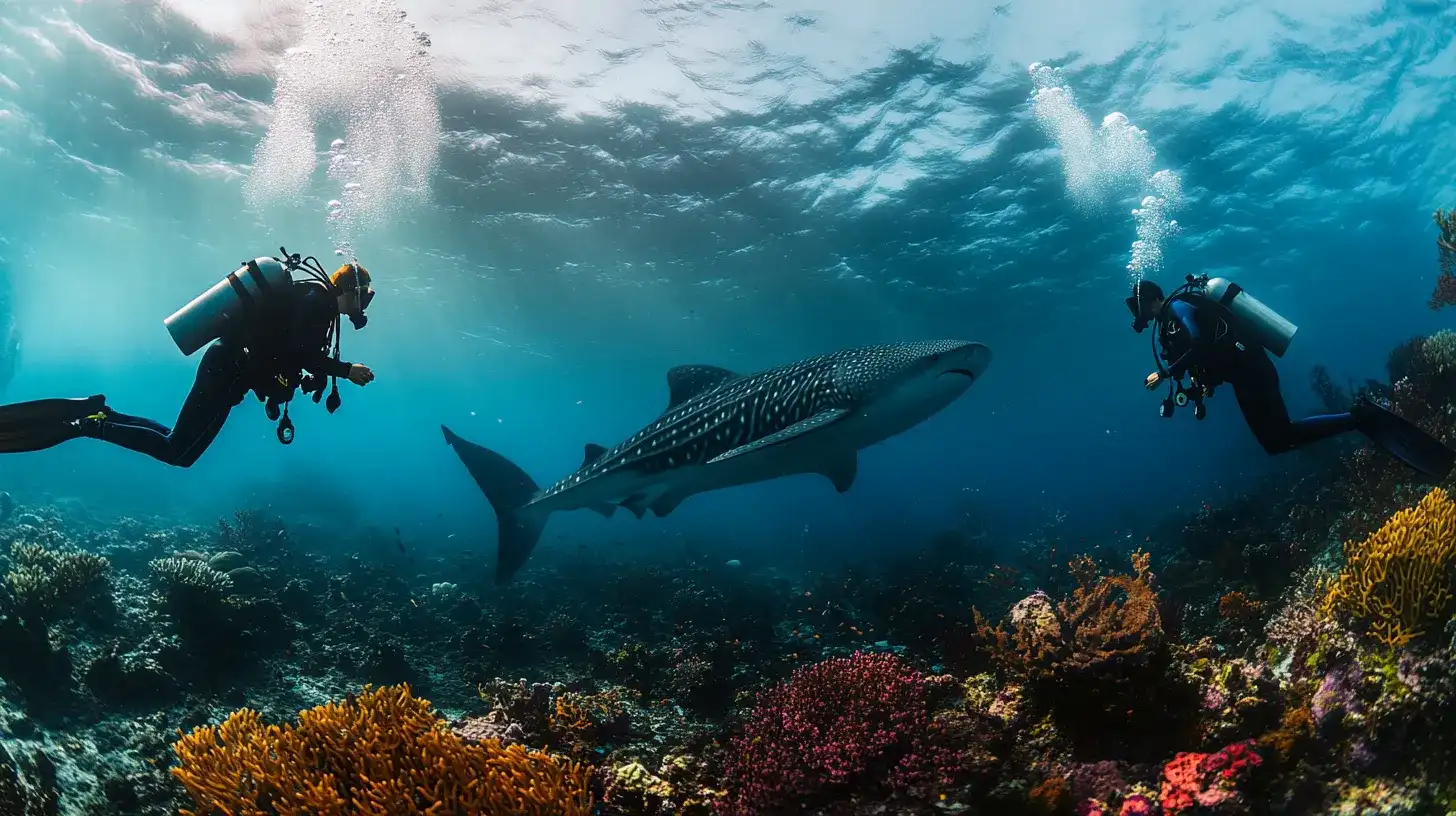
Diving is the more intimate option: descend six to twelve metres to the cleaning station for prolonged 30–45 minute encounters with multiple mantas. It costs roughly $80–120 and needs at least Open Water certification.
Snorkelling offers easier, surface-level viewing with shorter encounters — ideal for non-divers and families.
The diving season runs April–November, with the highest encounter probability — over 90% — in April to June. Peak season yields five to fifteen mantas per dive; December to March is leaner at zero to two.
Water sits at 26–29°C year-round with visibility of 10–25 metres; morning sessions are usually clearest.
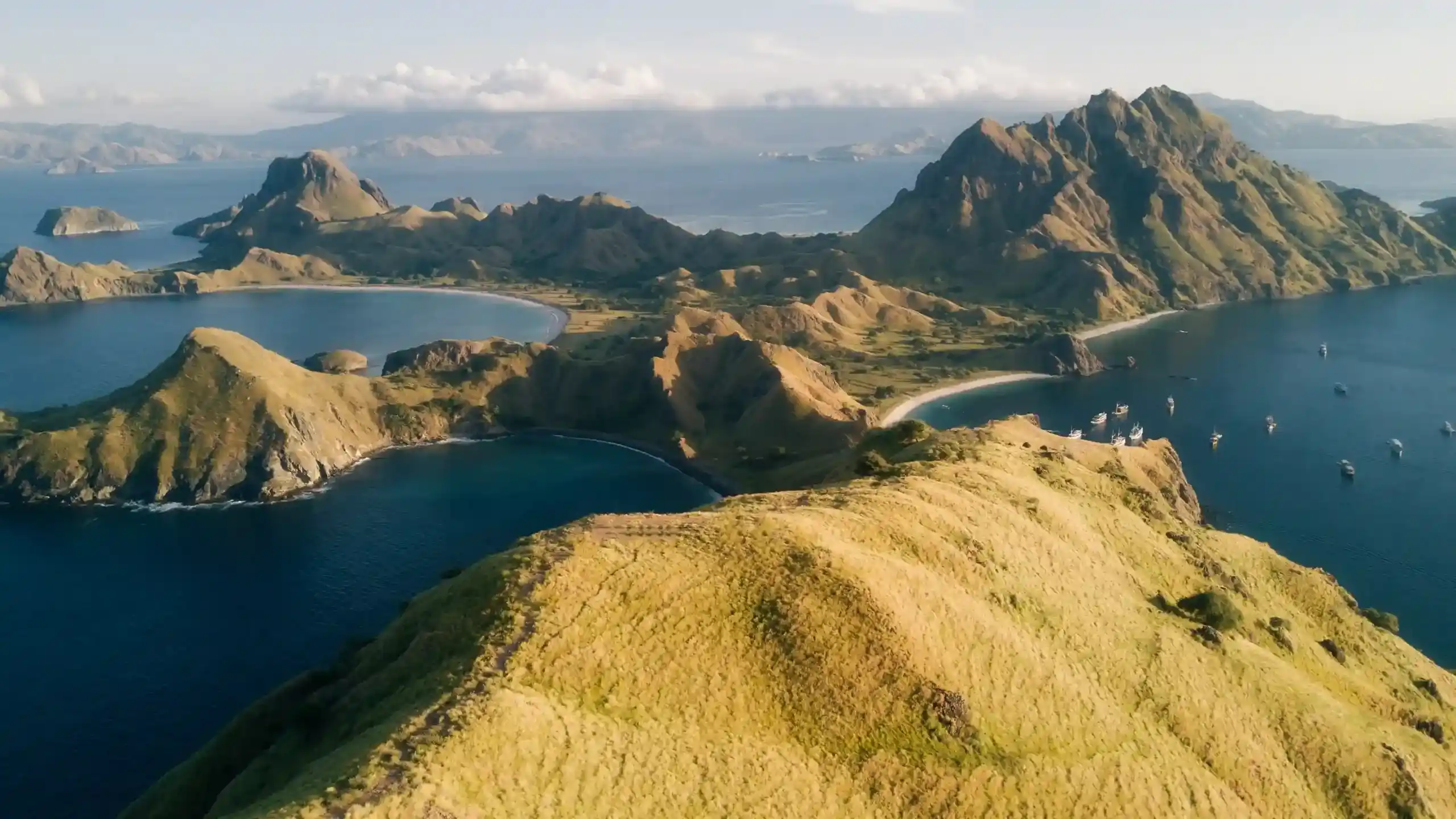
Never chase or touch a manta, and skip underwater flash photography. Stay calm and still, enter the water gently, and hold a distance of around three metres so the animal controls the interaction.
Manage the current properly while diving and respect the behaviour of the group around you.
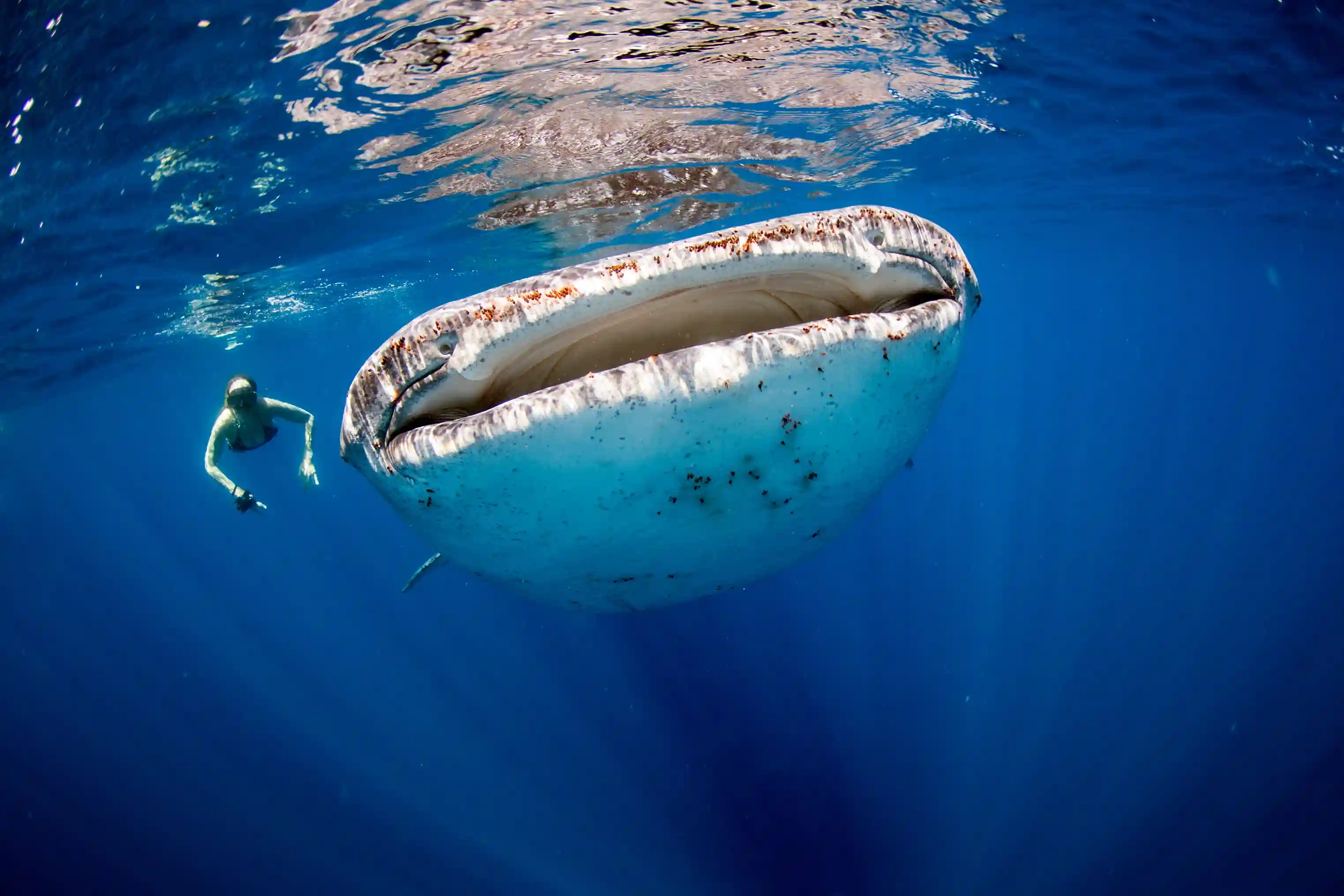
Every manta carries a unique belly pattern, like a fingerprint, which researchers use for photo-ID. Indonesia hosts the world’s largest reef manta population.
Manta Point functions as a critical cleaning station — a symbiotic system where small fish remove parasites from visiting rays.
A world-class manta cleaning station inside Komodo National Park.
Wingspans of four to six metres glide overhead at close range.
Over 90% probability of sightings from April to June.
Reachable from the surface or with a guided dive.
Filter-feeding mantas have zero recorded attacks on humans.
Still unsure? Our Lombok team answers every question personally — usually within 2 hours on WhatsApp.
Ask a QuestionTell us whether you want to dive or snorkel and your travel dates — we’ll schedule the best Manta Point window for your cruise.