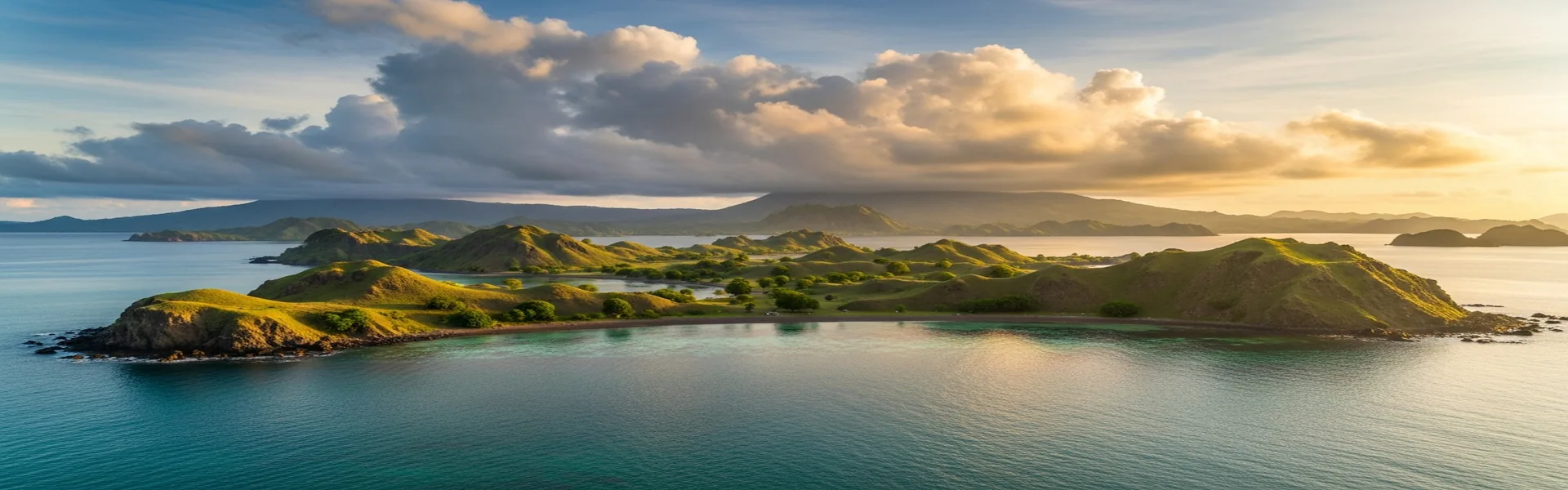
Best Time to Cruise Lombok to Komodo
Month-by-Month Guide 2026
Timing Is Everything for Your Komodo Adventure
Choosing when to cruise from Lombok to Komodo significantly impacts your experience. Weather patterns, marine life encounters, tourist crowds, and pricing all vary dramatically throughout the year. Unlike destinations with minimal seasonal variation, Komodo demands strategic timing to maximize your adventure.
This month-by-month guide reveals what to expect at each time of year—from weather conditions and sea states to wildlife encounters and pricing. Whether you’re seeking the absolute best conditions, hoping to avoid crowds, or balancing budget and experience, this breakdown helps you choose your perfect travel window.
The key question: Are you optimizing for comfort, wildlife encounters, cost savings, or a combination? Your answer determines your ideal month. Let’s explore what each season offers.
January: Beginning of the New Year
Weather & Sea Conditions
January sits in the wet/monsoon season. Expect warm temperatures (27-31°C), high humidity, and occasional rain. Sea conditions are challenging with strong winds from the west, creating 1-2 meter swells and turbulent waters. Visibility underwater decreases due to increased sediment from runoff.
Wildlife Encounters
Limited whale shark and manta sightings. Ocean conditions make marine life encounters less predictable. Komodo dragon viewing remains reliable on land.
Crowds & Pricing
Post-holiday quiet period; minimal international tourists. Lowest prices of the year—30-40% cheaper than peak season. Local holidays may cause crowds during specific dates.
Best For: Budget travelers comfortable with rough conditions; experienced sailors
Avoid If: Seasickness-prone; sensitive to weather; first-time cruisers
February: Warmth & Challenges
Weather & Sea Conditions
February continues monsoon season with temperatures peaking at 32°C. Rain becomes less frequent than January. However, sea conditions remain rough—strong westerly winds persist, creating 1-2 meter swells. Humidity is oppressive.
Wildlife Encounters
Still transitioning from dry season patterns. Whale shark encounters remain rare. Manta sightings inconsistent. Better for dragon and terrestrial wildlife encounters.
Crowds & Pricing
Very quiet; many operators reduce schedules. Rock-bottom pricing, though limited departures. February is the slowest cruise month.
Best For: Extreme budget consciousness; risk-tolerant travelers
Avoid If: You want wildlife encounters; comfortable travel conditions; frequent departures
March: The Transition Begins
Weather & Sea Conditions
March marks the transition from wet to dry season. Weather improves noticeably—temperatures 28-30°C, less rain. Wind patterns shift; sea swells decrease gradually. By late March, conditions become quite pleasant with 0.5-1 meter swells.
Wildlife Encounters
Whale sharks return! Sightings increase in late March. Manta encounters begin appearing. This marks the start of excellent marine life season.
Crowds & Pricing
Operators increase schedules as weather improves. Still relatively quiet compared to peak season. Pricing begins rising but remains reasonable—20-30% below peak season rates.
Best For: Budget-conscious travelers wanting good weather and wildlife; flexible schedulers
Sweet Spot: Late March offers the best value-to-experience ratio of the year
April-May: Shoulder Season Sweet Spot
Weather & Sea Conditions
Excellent! Temperatures 27-29°C, minimal rain, light winds. Sea conditions are ideal—calm to moderate with 0.3-0.8 meter swells. Visibility underwater is exceptional (20-30+ meters). These are the most comfortable sailing conditions of the year.
Wildlife Encounters
Peak whale shark season (March-Sep) at its beginning. Manta sightings frequent. Whale sharks are a reliable highlight. Excellent snorkeling with vibrant coral and diverse tropical fish. Turtle encounters increase.
Crowds & Pricing
Moderate crowds—more tourists than shoulder season but fewer than peak. Pricing is 15-25% below peak season. Great balance of value and quality experience. Multiple daily departures.
Best For: Most travelers; excellent value; great conditions without peak season prices
Recommendation: April and May offer the best balance of comfort, wildlife, and affordability
June-September: Peak Season Paradise
Weather & Sea Conditions
Perfect! Dry season at its absolute best. Temperatures 25-28°C (coolest of the year), zero rain, consistent gentle winds. Sea conditions are exceptional—calm waters with minimal swells. Visibility is outstanding (25-35+ meters). Absolutely ideal for sailing and water activities.
Wildlife Encounters
Peak season for everything. Whale shark sightings are frequent and reliable. Manta encounters common. Reef health and visibility are at their best. Snorkeling and diving are exceptional. This is the most likely time to see multiple whale sharks on a single cruise.
Crowds & Pricing
Maximum crowds. Peak season tourism. Pricing is at its highest—often 30-50% above off-season rates. Boats operate at full capacity. Popular departures book weeks in advance. Most expensive time to cruise.
Best For: Those who must have perfect conditions; serious wildlife photographers; don’t mind crowds or premium pricing
Caveat: Peak crowds and prices may outweigh the minor comfort improvements over shoulder season
October: Dry Season Finale
Weather & Sea Conditions
Still excellent! Temperatures 26-29°C, dry conditions. Wind patterns begin shifting as monsoon approaches. Sea conditions remain very good with occasional 0.8-1.2 meter swells by late October. Visibility excellent (20-30+ meters).
Wildlife Encounters
Still excellent! Whale sharks common (season continues until September, but sightings don’t drop dramatically in October). Mantas frequent. Manta season (April-November) is still in full swing. Late October is still a fantastic month for marine encounters.
Crowds & Pricing
Transitioning from peak to shoulder season. Still moderate crowds but noticeably quieter than June-September. Pricing begins dropping—10-20% below peak season. Better availability for last-minute bookings.
Best For: Travelers wanting dry season benefits without peak pricing; excellent value proposition
Timing Tip: Early October is ideal; late October begins showing weather instability
November-December: Approaching Monsoon
Weather & Sea Conditions
November begins the transition to wet season. Temperatures 27-30°C. Rain increases, particularly in December. Wind shifts southeast with increasing strength. Sea swells build from 1-2 meters in November to 2-3 meters by December. Underwater visibility decreases (10-20 meters). Conditions become choppy and less pleasant.
Wildlife Encounters
Manta season (April-November) ends in November. Whale shark sightings decrease. November can still offer decent encounters; December becomes much less reliable. Marine life encounters become inconsistent.
Crowds & Pricing
Shoulder season approaching low season. November remains moderately busy with holiday travel planning. December becomes quiet as travelers avoid weather concerns. Pricing drops 20-30% below peak. Limited departures by December as some operators scale down.
Best For: Budget travelers tolerating less-ideal weather; November is better than December
Avoid If: You want comfortable conditions or reliable whale shark encounters
Season Comparison Table
| Period | Weather | Whale Sharks | Mantas | Crowds | Price |
|---|---|---|---|---|---|
| Jan-Feb | Rough | Rare | Rare | Minimal | Lowest |
| Mar | Improving | Starting | Starting | Low | Low |
| Apr-May | Excellent | Common | Common | Moderate | Best Value |
| Jun-Sep | Perfect | Frequent | Frequent | Heavy | Peak |
| Oct | Very Good | Common | Very Good | Moderate | Good Value |
| Nov-Dec | Transitioning | Declining | Ending | Low | Low |
Frequently Asked Questions
When is whale shark season?
March through September, with peak sightings June-September. Whale sharks begin appearing in March and are most reliable June-August. Sightings drop sharply after September. If whale sharks are your priority, target April-October.
When are manta rays most common?
April through November, with peak season June-October. Manta Point is at its best April-October. Outside this window, manta encounters become inconsistent. October marks the end of excellent manta season.
What months have the calmest seas for seasickness prevention?
April-May and September-October offer the calmest conditions. June-August are also calm. If you’re seasickness-prone, avoid November-March when swells are larger. April-May offer the best balance of calm seas and value pricing.
Is September a good month for cruising?
Yes! September offers excellent conditions. Weather is perfect (still early dry season), whale shark sightings are frequent, and manta encounters are excellent. Crowds are less intense than peak season (June-August), and prices are slightly lower. September combines peak season quality with better value and fewer people.
Should I avoid any months completely?
February is the most challenging month (weather, limited departures, no wildlife). January presents challenges but offers lowest prices. December involves risk of monsoon conditions. November-December aren’t ideal unless you’re extremely budget-focused and weather-tolerant. If you have flexibility, avoid Feb and late Dec.
Our Recommendation
If you can choose any month: April or May deliver the best overall experience. Excellent conditions, reliable whale shark encounters, common manta sightings, moderate prices, and fewer crowds than peak season.
For budget travelers: Late March or September-October offer great value. Weather is excellent, wildlife encounters are reliable, and prices are significantly lower than peak season.
For those wanting peak conditions regardless of cost: June-August offer the absolute best weather and most reliable wildlife encounters, though expect higher prices and more crowds.
Booking Your Ideal Timing
Once you’ve identified your ideal months, book early. Popular periods (April-May, September-October, June-August) fill up weeks in advance. Peak season books out a month or more early. Shoulder season offers more flexibility but benefits from advance booking.
Contact us to check current availability and confirm what weather and wildlife encounters to expect for your chosen dates. We’ll match you with the perfect departure.
Ready to Book Your Perfect Timing?
Tell us your ideal timing and we’ll find the perfect Lombok to Komodo cruise departure for you.
Email: sales@balipremiumtrip.com | Phone: +628113809193