Diving Liveaboard Lombok to Komodo

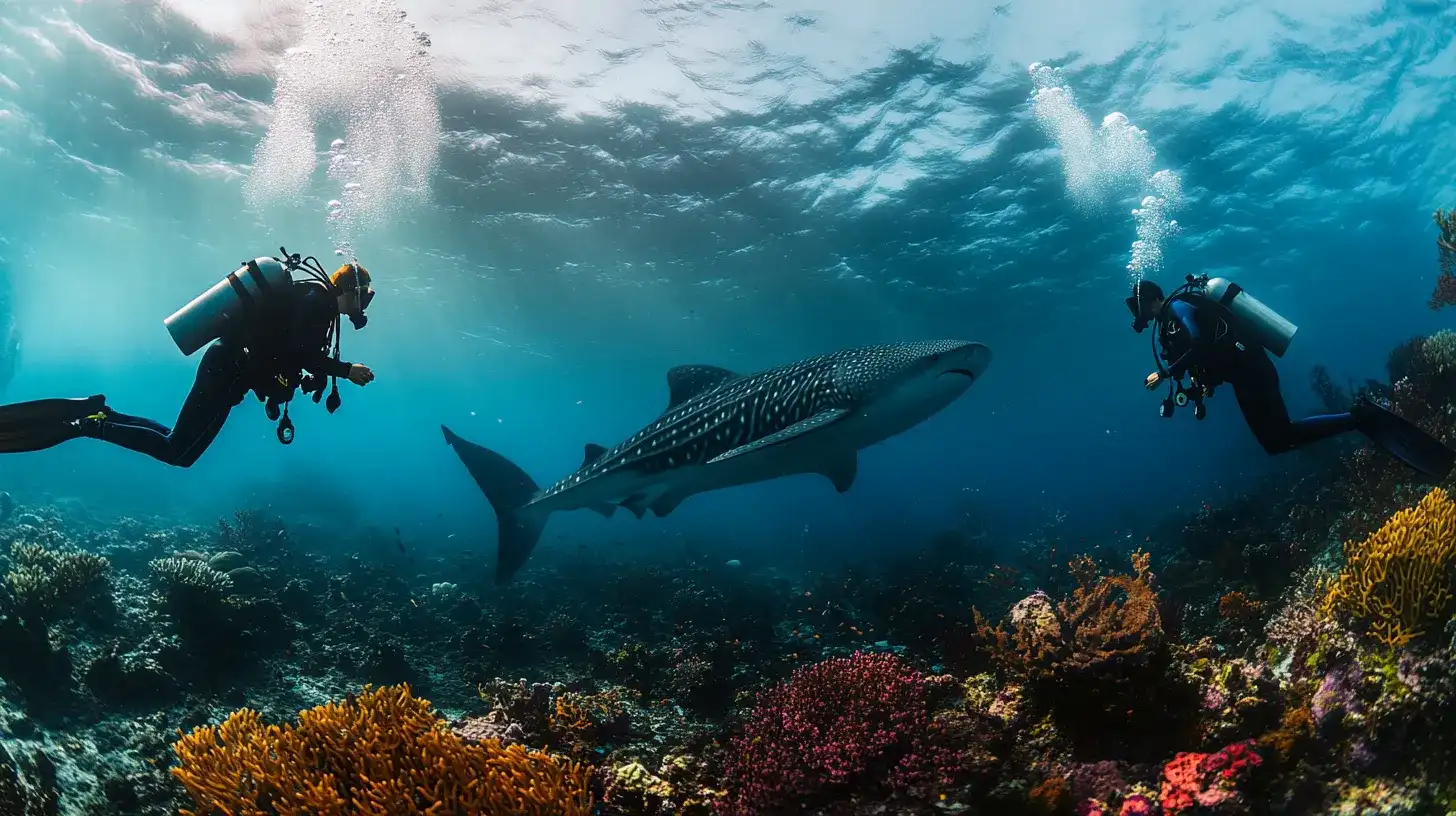
Colorful coral reef with tropical fish Komodo dive site

Diving Liveaboard: Lombok to Komodo

Experience World-Class Underwater Exploration on Asia’s Premier Diving Route


World-Class Underwater Adventures Await

The Lombok-to-Komodo liveaboard route ranks among Asia’s most spectacular diving destinations, offering certified divers access to pristine coral gardens, dramatic underwater topography, and extraordinary marine biodiversity. Unlike land-based diving operations that are limited to nearby reef systems, liveaboard cruises position you directly at Indonesia’s most legendary dive sites—many accessible only from the sea. You’ll experience legendary dive locations like Batu Bolong, Cauldron, Castle Rock, and Manta Point in rapid succession, maximizing your bottom time and site diversity over your voyage duration.

What makes liveaboard diving on this route uniquely rewarding is the combination of accessibility, safety, and marine spectacle. Professional dive masters with decades of regional experience guide you to optimal dive sites based on seasonal conditions, current patterns, and marine activity. The route operates year-round but peaks during dry season (April-October) when reef conditions are optimal and pelagic encounters most frequent. Whether you hold an Advanced Open Water certification or are pursuing your rescue diver qualification, the Lombok-to-Komodo route accommodates every experience level with customized dive profiles and world-class instruction.

Beyond the diving itself, liveaboard experiences offer unparalleled convenience and immersion. Wake to sunrise over pristine reefs, complete 2-4 dives daily, and retire to comfortable on-board accommodations. Professional crews manage all logistics—equipment maintenance, meal preparation, deck safety, and route planning—allowing you to focus entirely on the underwater experience. Many operators offer specialty certification courses, advanced navigation training, and technical diving instruction, transforming your cruise into a comprehensive diving education program.

Premier Dive Sites on the Route

Batu Bolong

A seamount between Lombok and the Gili Islands hosting schooling barracuda, trevally, and resident reef sharks. The pinnacle rises from 40m to 15m depth, creating dramatic topography and consistent strong currents that bring pelagic activity.

Depth: 15-40m | Difficulty: Advanced | Best For: Pelagic encounters, macro photography

The Cauldron (Gili Lawa Darat)

Named for its circular topography and dramatic current convergence, The Cauldron offers encounters with reef sharks, fusiliers, and schooling jacks in a constantly dynamic environment. Strong currents demand excellent buoyancy control.

Depth: 20-40m | Difficulty: Advanced | Best For: Experienced divers, large schools

Castle Rock

A rocky formation in the Komodo strait featuring pristine hard corals, abundant reef fish, and frequent sightings of reef sharks and eagle rays. The site offers excellent visibility and relatively protected conditions despite occasional moderate currents.

Depth: 12-30m | Difficulty: Intermediate | Best For: All levels, coral photography

Manta Point (Komodo)

The crown jewel of Komodo diving, Manta Point delivers consistent sightings of giant manta rays—often in groups of 3-10 individuals—during peak season. Strong currents are essential for manta activity and visibility is typically excellent.

Depth: 5-25m | Difficulty: Intermediate | Best For: Manta encounters, large pelagic fish

Pink Beach Reef

Featuring healthy coral formations including tables, branching corals, and soft coral gardens, this site showcases Indonesia’s coral diversity. Excellent for macro photography, reef fish identification, and leisurely exploration at conservative depths.

Depth: 6-20m | Difficulty: Beginner-Intermediate | Best For: Macro photography, skill development

Rinca Strait Sites

Multiple dive sites throughout Rinca Strait offer encounters with sharks, rays, napoleon wrasse, and schooling fish. Conditions range from protected reef environments to exposed drift dives, accommodating various skill levels.

Depth: 8-35m | Difficulty: Beginner-Advanced | Best For: Variety seekers, mixed skill groups

Diving Certification & Experience Requirements

Minimum Requirements: All divers must hold a valid Open Water Certification (PADI, NAUI, SSI, or equivalent). Certification cards and logbooks must be presented at check-in. Uncertified divers can complete Open Water certification during their cruise (add 2-3 days and approximately $400-600 additional cost), though this reduces available diving time.

Advanced Recommendations: Advanced Open Water certification or equivalent is strongly recommended, particularly for divers planning to visit deeper sites like Batu Bolong and The Cauldron. Nitrox certification enables extended bottom times and faster decompression, ideal for multi-dive daily schedules. Deep Diver, Navigation, and Wreck Diver specialties enhance safety and underwater confidence at advanced sites.

Experience Guidelines: Divers with 50+ logged dives navigate premium sites with minimal supervision. Divers with 20-50 dives can access most sites with attentive dive master guidance. Divers with fewer than 20 dives (but valid certification) can participate in beginner-friendly sites and should budget additional funds for dive master supervision ($20-40 per dive). All liveaboard operators conduct orientation dives to verify buoyancy control and procedural competency before accessing challenging sites.

Medical & Fitness: Divers must complete a medical questionnaire prior to the voyage. Certain medical conditions (heart disease, asthma, pregnancy, recent surgery) require physician clearance. Physical fitness should enable comfortable entry/exit from small boats, carrying 15-20kg of equipment, and swimming against moderate currents.

Essential Dive Voyage Information

Best Diving Season

April-October delivers optimal diving conditions with strong northeast winds, excellent visibility (25-40m typical), and consistent pelagic activity. July-September peak months offer the busiest schedules and most reliable manta sightings. November-March features calmer waters but reduced visibility (15-25m) and occasional rain. January-February sees occasional operational closures due to rough seas.

Dive Schedule & Frequency

Typical liveaboard schedules feature 3-4 dives daily: pre-sunrise dive (0530-0700), mid-morning dive (0900-1030), afternoon dive (1400-1530), and optional sunset/night dive (1800-1930). Dives average 45-55 minutes bottom time with 10-15 minute intervals for surface intervals, equipment checks, and nutrition. Night diving available on most operators’ schedules.

Equipment Considerations

Bring personal mask, snorkel, and fins if you have preferred gear; most operators supply wetsuits (3mm-5mm depending on season), BCD, regulators, and tanks. Consider a personal dive computer for precise depth/time tracking. Underwater cameras increasingly popular; GoPro Hero series and mirrorless housings common. Bright dive lights recommended for macro work and potential night dives.

Safety Standards

Premium liveaboard operators maintain 1:6 dive master-to-diver ratios on advanced dives, 1:8 on intermediate/beginner sites. All boats carry hyperbaric oxygen, AED units, and first aid supplies. Emergency protocols include direct radio contact with Labuhan Bajo coastal medical facilities. Insurance with diving coverage highly recommended ($15-30 annual).

Cost Breakdown

Typical liveaboard diving cruises cost $180-350/day for premium operators, covering accommodation, all meals, divemasters, bottled air, and park fees. Budget $300-600 additional for flights, travel insurance, tips, and pre-cruise certifications. Equipment rental (if needed) adds $50-100. Specialty courses add $200-400.

Booking Timeline

Reserve peak-season departures (July-September) 3-4 months in advance. Shoulder season (May-June, October) can be booked 6-8 weeks ahead. Off-season (November-March) offers flexibility with 2-3 week booking windows. Last-minute bookings sometimes available at 15-25% discounts 1-2 weeks before departure.

Extraordinary Marine Encounters

The Lombok-to-Komodo route traverses some of the Indo-Pacific region’s most biodiverse marine ecosystems, with visibility and accessibility that surpass most competing destinations. Your typical voyage will feature multiple encounters with species found nowhere else on Earth.

Pelagic Fish Schools: Giant trevally, golden trevally, chevron-striped barracuda, schooling jacks, and fusilier formations create dynamic diving experiences. These powerful fish respond to strong currents and thermocline conditions that vary seasonally, explaining why experienced dive masters select dive sites daily based on oceanographic conditions.

Manta Rays: The most sought-after encounter, giant manta rays gather at Manta Point during April-October months. These gentle filter feeders can reach 7m wingspan and frequently approach within 2-3 meters of divers. Multiple sightings per dive are common during peak months; many divers encounter mantas on 40-60% of their dives during a full-length cruise.

Reef Sharks: Whitetip, blacktip, and occasionally zebra sharks patrol Komodo reefs, along with rare encounters with hammerhead sharks during deeper dives on steep reef walls. These sharks are curious but non-aggressive; they provide evidence of healthy reef ecosystems and constitute some of diving’s most thrilling wildlife moments.

Macro & Reef Life: Nudibranchs, seahorses, frogfish, ornate ghostfish, and hundreds of endemic reef fish species justify slowpaced exploration of shallow reef slopes. Night dives reveal nocturnal species including slipper lobsters, squid, and sleeping parrotfish, transforming familiar daytime reefs into alien environments.

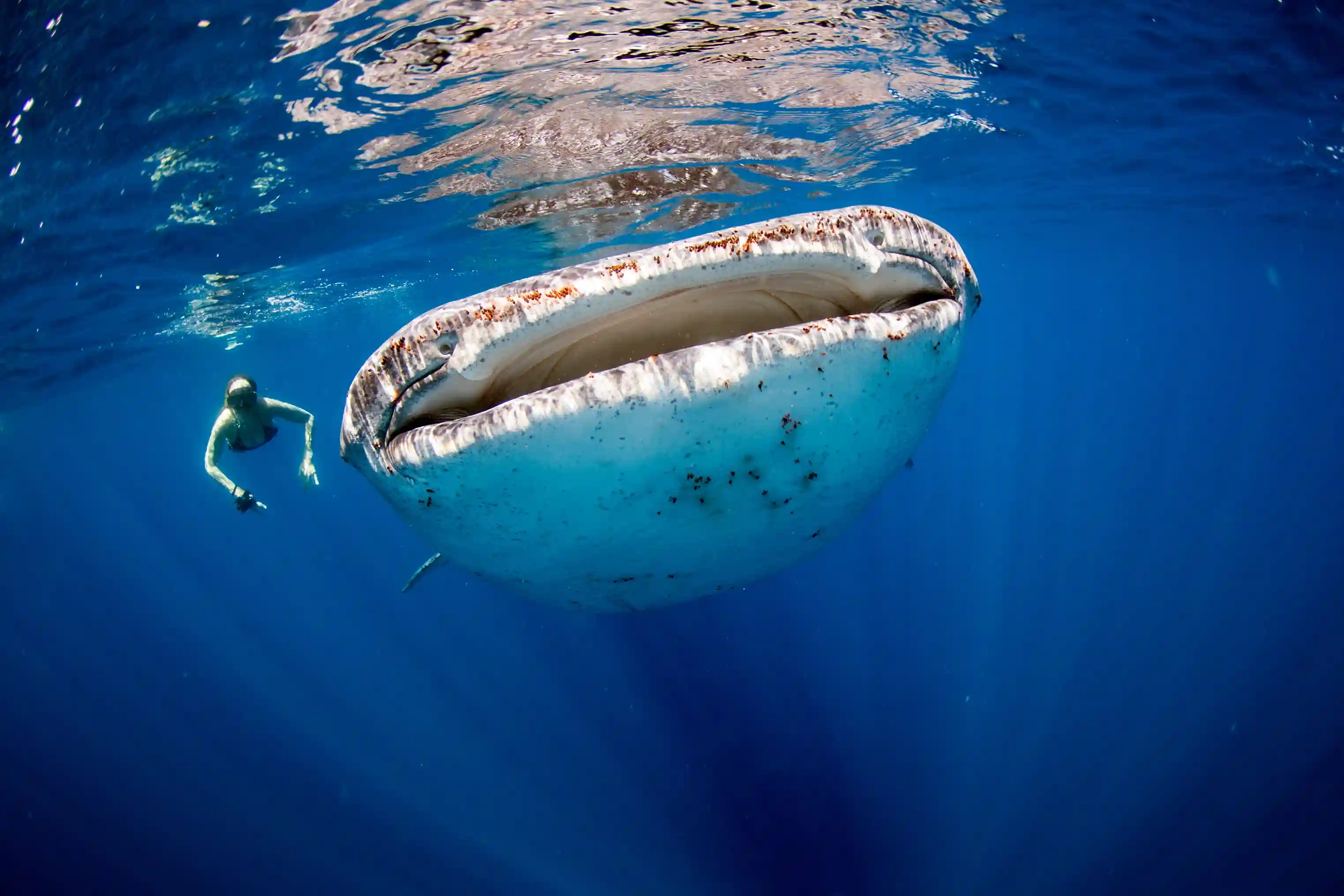
Seasonal Highlights: June-September favor pelagic activity with strong currents and excellent visibility. April-May bring calmer conditions, better for macro photography and less-experienced divers. September-October offer the most consistent manta sightings. December-March feature occasional whale shark sightings and unique behaviors during spawning season.

Frequently Asked Questions

Can I dive if I’m not a certified diver?

Yes. Most liveaboard operators offer Open Water Certification courses during your cruise, typically requiring 2-3 additional days and $400-600 in course fees. You’ll complete confined-water training, knowledge assessment, and four open-water dives with an instructor. This approach maximizes your sailing time while obtaining certification in stunning locations. Alternatively, complete certification at home before traveling to eliminate time constraints during your cruise.

How many dives should I expect per day?

Standard liveaboard schedules feature 3-4 dives daily. A typical day begins with a pre-sunrise dive (0530-0700), followed by mid-morning (0900-1030) and afternoon (1400-1530) dives. An optional sunset or night dive (1800-1930) often concludes the day. Each dive averages 45-60 minutes bottom time plus 10-15 minute surface intervals for equipment checks and nutrition. First-time liveaboard divers often find the pace exhilarating but manageable with proper conditioning and rest days as needed.

Will I definitely see manta rays at Manta Point?

During peak season (June-September), sighting probability exceeds 85% on multi-dive visits to Manta Point. However, manta presence depends on oceanographic conditions including current patterns, plankton concentrations, and water temperature. Poor visibility or unusually calm waters occasionally result in zero sightings, even during prime season. Premium operators include a guarantee: if you don’t see a manta on your cruise, you receive a return-voyage discount. Shoulder and off-season months feature lower sighting percentages but still deliver encounters on 40-60% of visits.

What equipment do I need to bring versus what’s provided?

Operators supply tanks, regulators, BCDs, and wetsuits (3-5mm depending on season). You should bring your personal mask, fins, and snorkel—this gear is inherently personal. Most divers bring a personal dive computer for accurate depth/time tracking and decompression management. Underwater cameras are personal equipment; GoPro Hero models and mirrorless housings are common. Consider a primary and backup dive light for macro photography or night diving. Advanced divers often bring specialized equipment like nitrox-compatible regulators or technical diving cylinders if planning specialty courses.

Ready to Explore the Underwater World?

Book your liveaboard diving adventure on the Lombok-to-Komodo route. Certified divers can depart within weeks; uncertified divers can earn certification while discovering Asia’s premier dive sites.

Message on WhatsApp

Available 24/7 • Response within 2 hours • Free consultation

Discover pristine dive sites • Encounter manta rays & sharks • 3-4 dives daily • Expert dive masters • All-inclusive packages

Explore More About Your Lombok-to-Komodo Adventure:

Scroll to Top