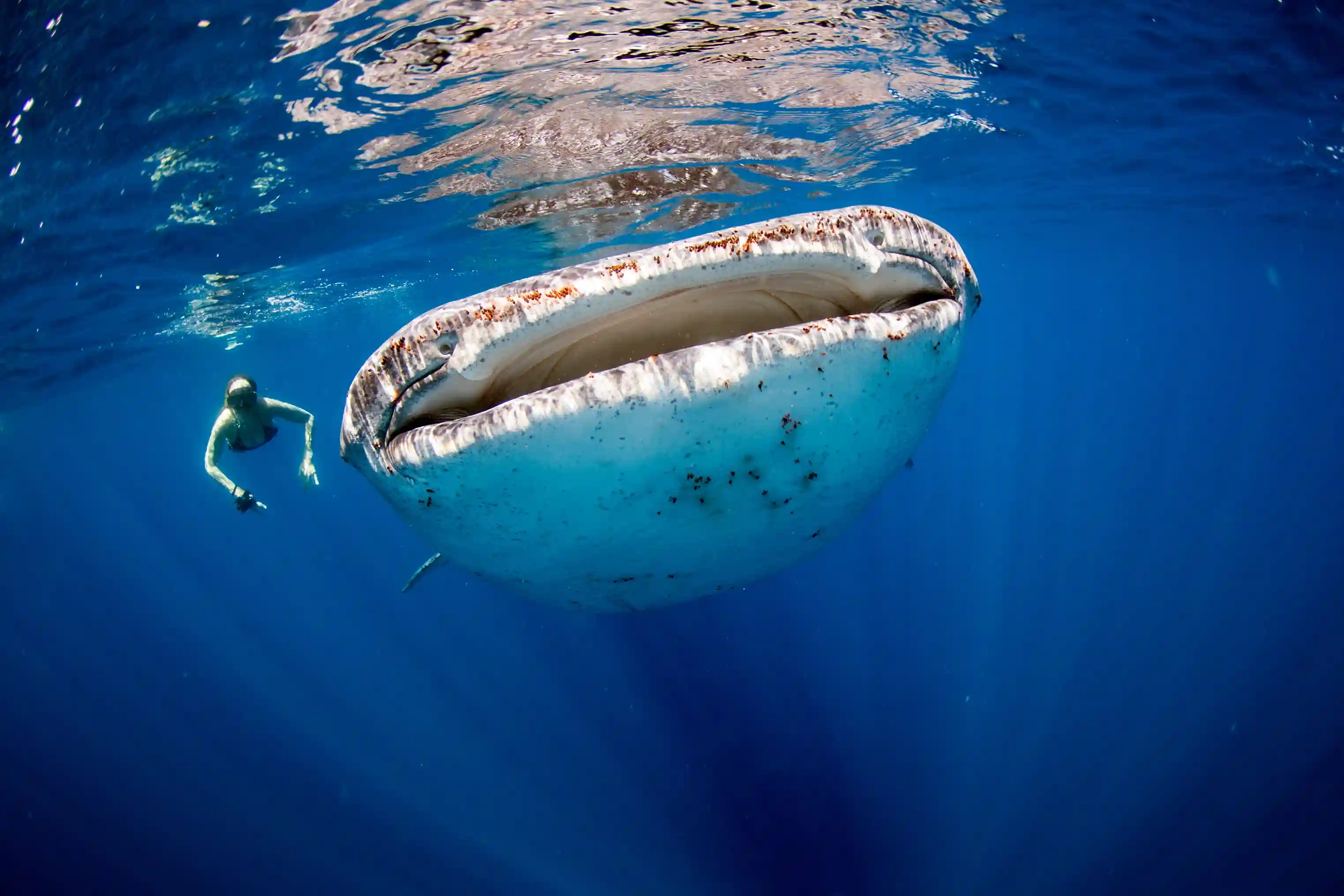
Manta Ray Point Komodo Guide

Giant manta ray at Manta Point Komodo National Park

Manta Ray Point Komodo

Where, When & How to Swim with Mantas

The Other Giant of the Deep: Manta Rays at Their Feeding Stations

If whale sharks are gentle plant-eaters, manta rays are the acrobats of the ocean. These 4-6 meter wingspan creatures are intelligence personified—they recognize individual divers, learn patterns, and interact with curious intent. Manta Point, located off Komodo’s eastern edge, is one of the planet’s most reliable manta ray encounter sites, second only to the Maldives in consistency.

What makes Manta Point special is the cleaning station ecosystem. Mantas approach shallow reef edges where smaller fish remove parasites and dead skin—a mutually beneficial relationship that draws dozens of mantas during seasonal peaks. Your Lombok-to-Komodo cruise reaches Manta Point during typical multi-day itineraries, with morning dives or snorkeling often yielding 5-8 manta encounters per session.

This guide covers manta behavior, seasonal patterns, diving vs. snorkeling, and why a manta’s intelligence makes this encounter fundamentally different from whale shark encounters.

Manta Ray Biology & Behavior

Size & Appearance

4-6 meter wingspan average (largest recorded: 7.5m). Dark blue-gray dorsal surface, white ventral (belly) side. Cephalic lobes (horn-like fins) around mouth direct plankton. Weight: 1-2 tons.

Intelligence & Recognition

Largest-brained fish relative to body size. They recognize individual divers, remember human faces, and display curiosity. Some researchers believe they recognize boat captains and associate them with non-threatening behavior.

Cleaning Station Behavior

Mantas visit reef edges where wrasse and other small fish remove parasites. This is not feeding—it’s a grooming behavior. They approach in patterns, often multiple mantas simultaneously, creating predictable encounter opportunities.

Seasonal Presence

April-November peak season. April-June sees 90%+ encounter probability on dives. July-August still strong (75%). December-March variable. Water temperature and plankton availability drive presence.

Diving vs. Snorkeling at Manta Point

Scuba Diving (Recommended)

You descend to 6-12 meters where the cleaning station sits. Mantas approach naturally, sometimes passing 1-2 meters from your face. The experience is intimate and prolonged (30-45 minute dive = multiple manta encounters). You can photograph at eye level. Recommended certification: Open Water minimum; Advanced recommended for current management. Cost: typically $80-120 per dive including equipment.

Snorkeling Alternative

You snorkel on the surface above the cleaning station (3-8 meters depth visible below). Mantas are visible but more distant. Encounters are shorter and less frequent than diving. Accessibility is much easier (no certification required). Cost: included on most all-inclusive cruises.

Our recommendation: If you’re a certified diver, dive Manta Point. The difference in proximity and encounter depth makes it worthwhile. If you can’t dive, snorkeling still offers genuine manta interactions—just fewer and shorter.

Manta Encounter Etiquette & Best Practices

  • No Chasing: Let mantas approach you. Position yourself on the sandy bottom or reef edge and wait. Pursuing them causes stress and often results in them leaving the area entirely.
  • No Touching: Even with good intentions, touch disrupts their mucus coating. Observe only. Some mantas are curious and approach within touching distance—resist the urge.
  • No Flash Photography Underwater: Camera flashes startle mantas. Use natural light or video lights only.
  • Current Management (Diving): Manta Point often features strong current. Stay low on the reef, use the landscape for shelter, and don’t fight the current if it sweeps you away—surface and the boat will pick you up.
  • Respect Group Behavior: Multiple mantas at the cleaning station may interact with each other. Don’t position yourself between them or disrupt their social patterns.

Common Manta Ray Questions

Are mantas dangerous? Do they have barbs?

Mantas are completely harmless. They have no barbs, no toxins, and no defensive mechanisms. The barbed spine sometimes associated with rays (stingrays) doesn’t exist on mantas. Zero recorded human attacks by mantas. They’re curious but non-aggressive.

Why do they approach divers?

Curiosity, primarily. They likely perceive divers as non-threatening novelties. Some researchers suggest they recognize consistent divers and associate them with observation rather than threat. They may also be approaching the reef or other mantas; the diver proximity is incidental.

How many mantas are at Manta Point typically?

Peak season (April-June): 5-15 mantas per dive. July-November: 2-8. December-March: 0-2, often none. Numbers fluctuate based on current strength, plankton bloom intensity, and time of day. Morning dives generally see more activity.

What’s the difference between mantas and eagle rays?

Mantas are generally larger (4-6m vs. 1-2m), lack barbed spines entirely (eagle rays have them), and are filter feeders (eagle rays eat bottom organisms). Eagle rays are beautiful but different animals. Komodo encounters are almost exclusively mantas at the dedicated cleaning station.

Meet the Mantas on Your Komodo Cruise

April-November itineraries include Manta Point. Certified divers get the closest encounters. All skill levels welcome.

Chat on WhatsApp

+628113809193 | sales@balipremiumtrip.com

Scroll to Top