One of only a handful of pink-sand beaches on the planet — a sheltered cove of rose-tinted sand on Komodo’s southwest coast, fronting some of the park’s finest shallow-reef snorkelling.
Pink Beach gets its blush from red coral fragments and microscopic foraminifera shells mixed into white sand. It is one of the calmest, least crowded stops on a Komodo cruise.
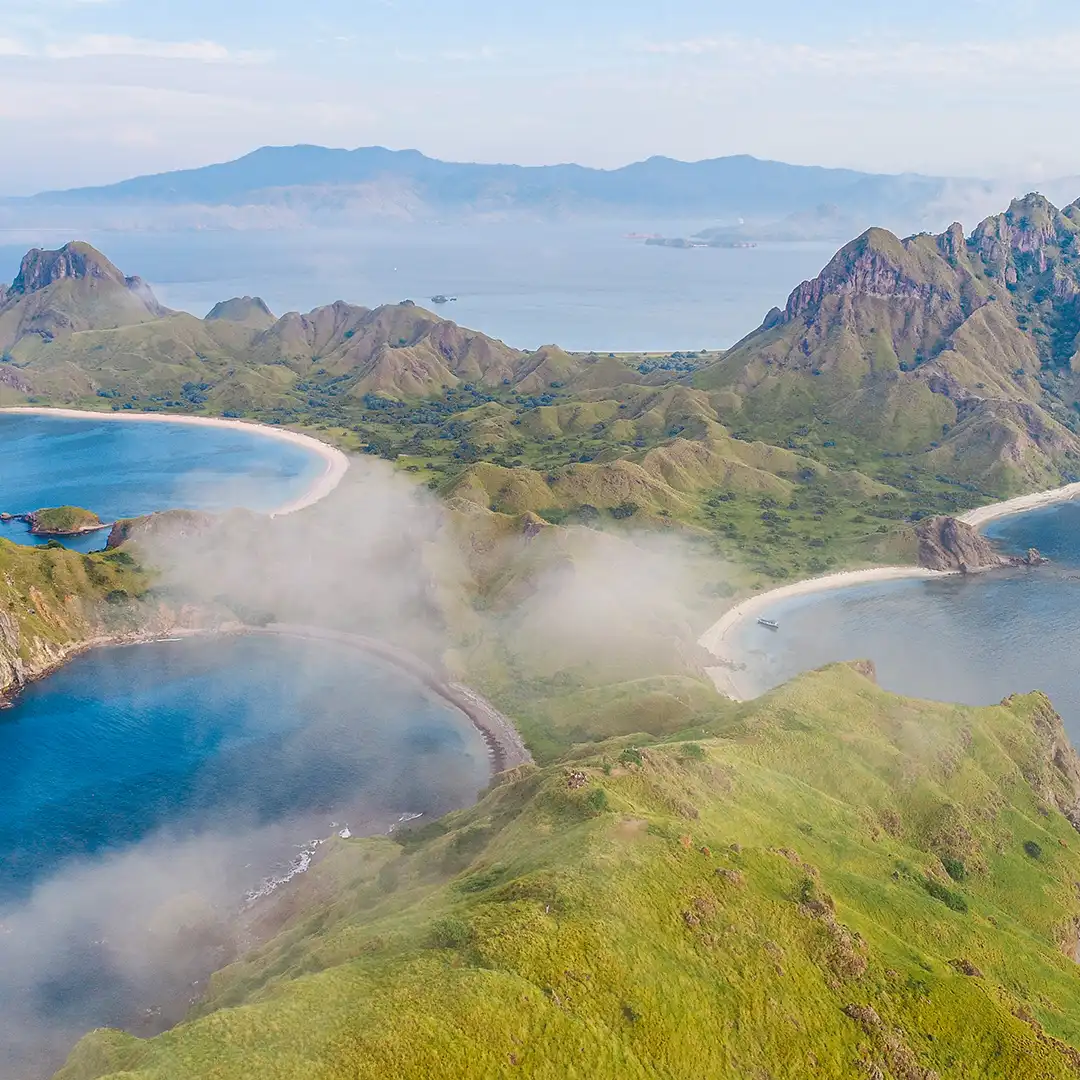
The colour comes from three sources: wave-broken fragments of red coral, the red and pink shells of microscopic foraminifera that wash ashore in their millions, and iron-oxide volcanic minerals combined with red coralline algae.
A sheltered cove and southwestern exposure concentrate these sediments here instead of dispersing them.
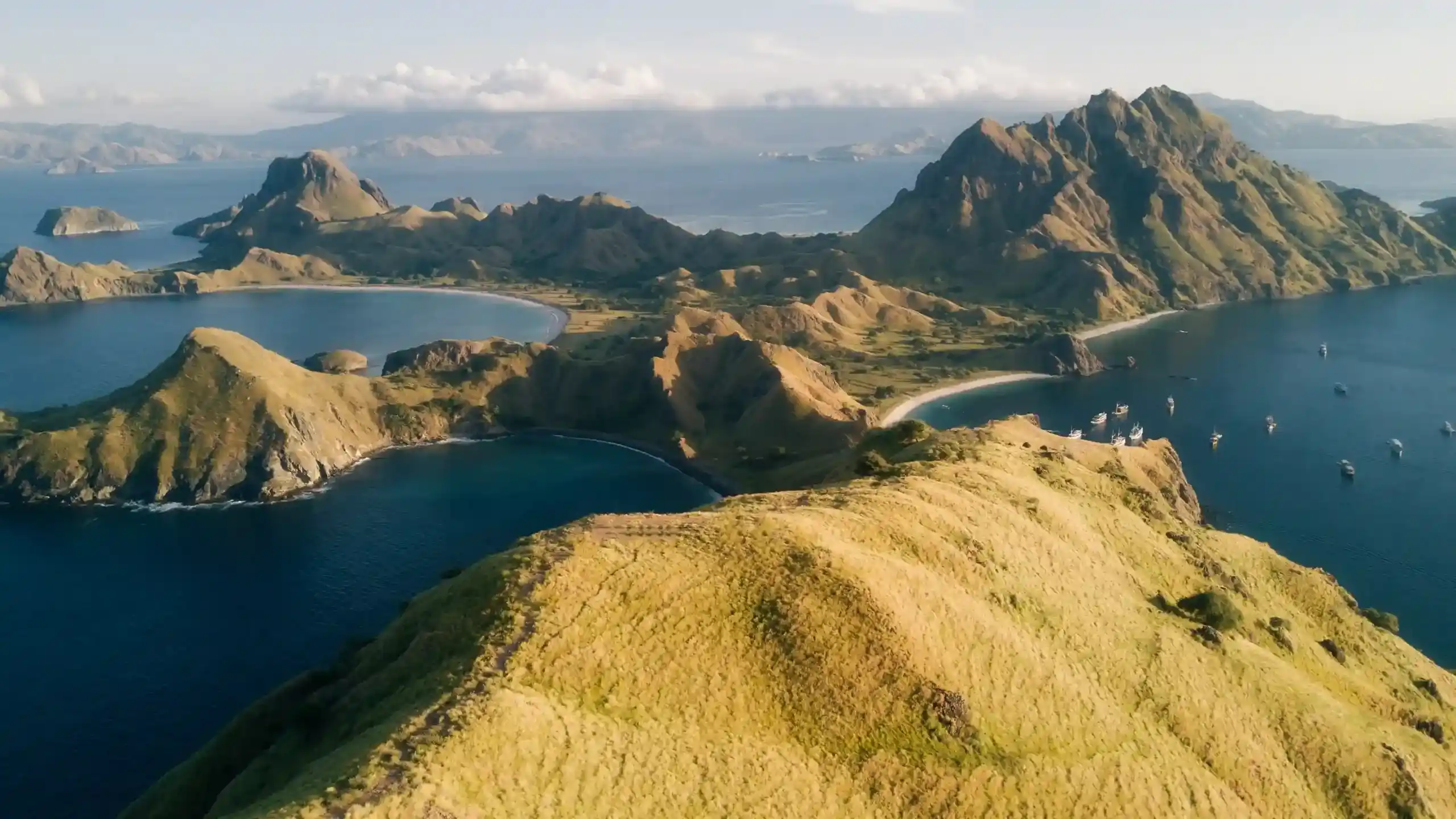
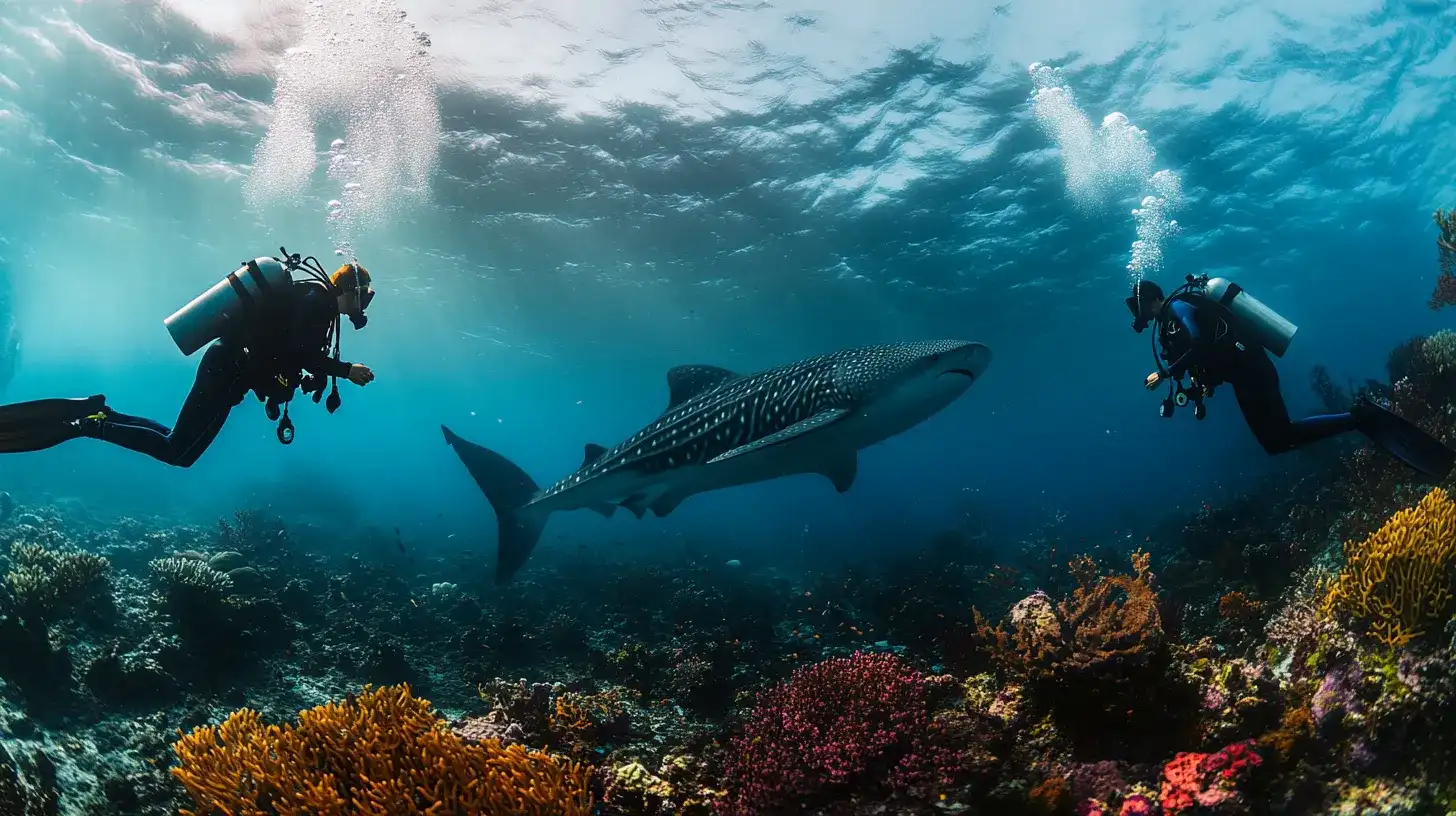
Coral gardens begin in one to two metres of water and step down to six- to twelve-metre walls, with visibility past 20 metres on clear days. Branching Acropora and massive Porites colonies shelter trevally, parrotfish, groupers and emperors.
Lucky snorkellers spot green turtles, harmless nurse sharks, and macro life like nudibranchs and seahorses. Coral spawning is visible from May to July.
May to October brings the calmest water and best visibility. April and November are transitional but still viable, while December to March can deliver occasional rough seas.
As a morning stop on a Lombok cruise, the beach is usually shared with zero to two other vessels thanks to its remoteness.
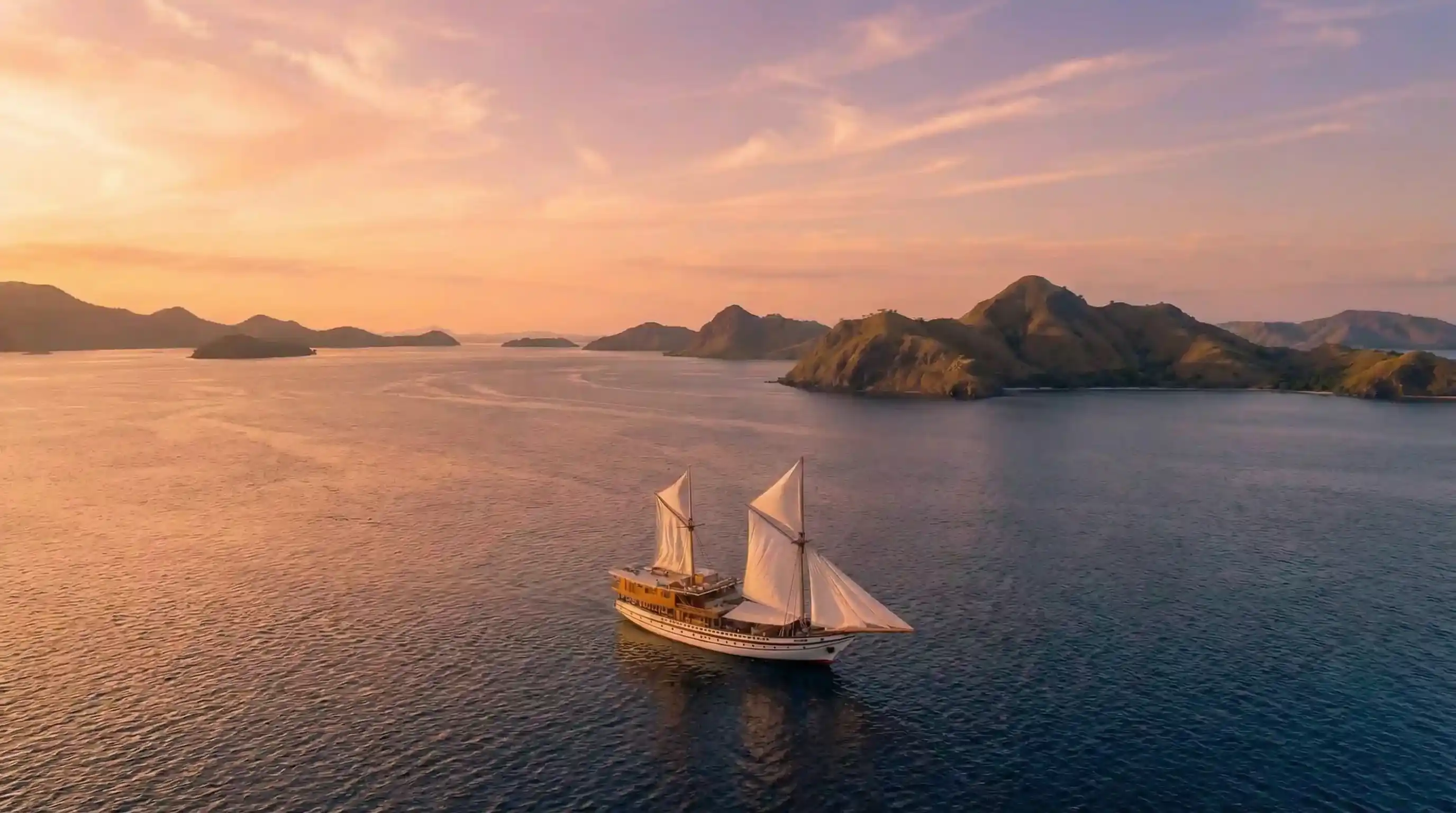
Always snorkel with a buddy and wear reef shoes to protect your feet. Use reef-safe sunscreen, stay clear of stonefish and cone shells tucked in crevices, and keep aware of the reef-wall dropoffs.
The cove is calm, but currents can pick up away from the shore.
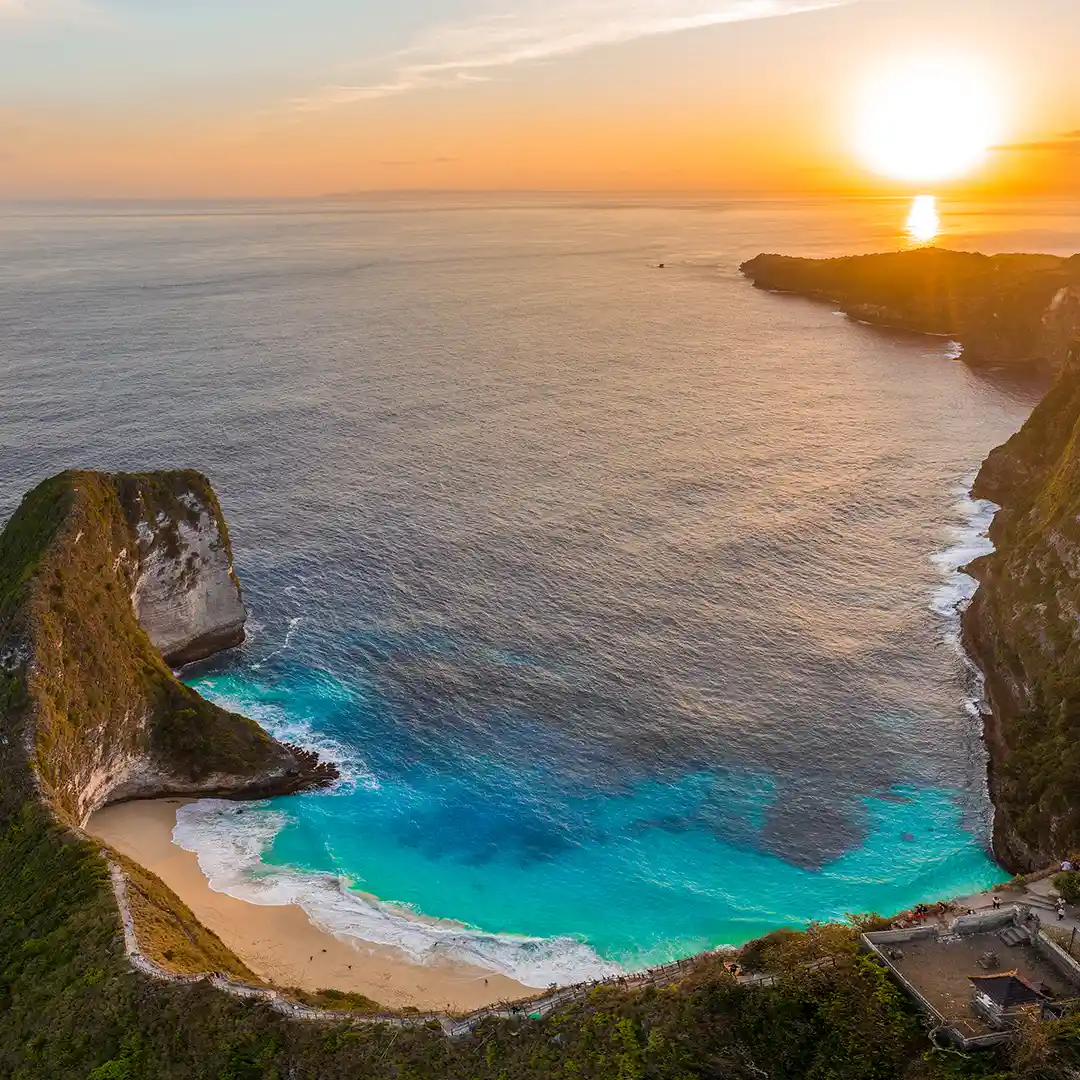
The pink is most vivid in late afternoon, around 3–5 PM, when sunlight strikes at a shallow angle; morning light reads more blue. Wade into waist-deep water and shoot back toward the beach for the strongest colour.
Underwater GoPro footage toward the sun works well, and drone aerials are striking where a permit is held. Avoid over-sharpening — the sand’s texture is very fine.

The reefs that produce this pink sand are under pressure from climate change, anchor damage and shell collection. Responsible operators use mooring buoys, provide reef-safe sunscreen and enforce a strict no-collection policy.
Park entry fees fund management and research that keep the cove healthy.
A rare pink shoreline with world-class shallow snorkelling.
One of only a few naturally pink beaches on earth.
Vivid reef from the waterline down to twelve-metre walls.
Turtles, reef fish and harmless nurse sharks are regular sightings.
Often only one or two boats share the cove.
Still unsure? Our Lombok team answers every question personally — usually within 2 hours on WhatsApp.
Ask a QuestionWe time the stop for the best colour and the calmest water. Share your dates and we’ll fit it into your itinerary.